Start now.
Get good.
Get paid.
Four things, every week
I am not writing this from the sidelines. Two companies, a roster of athletes, the software underneath both, and my own training. All four run at once, and the only reason that is possible is the order and the tooling. That is the whole subject of this page.
NxsTech Design
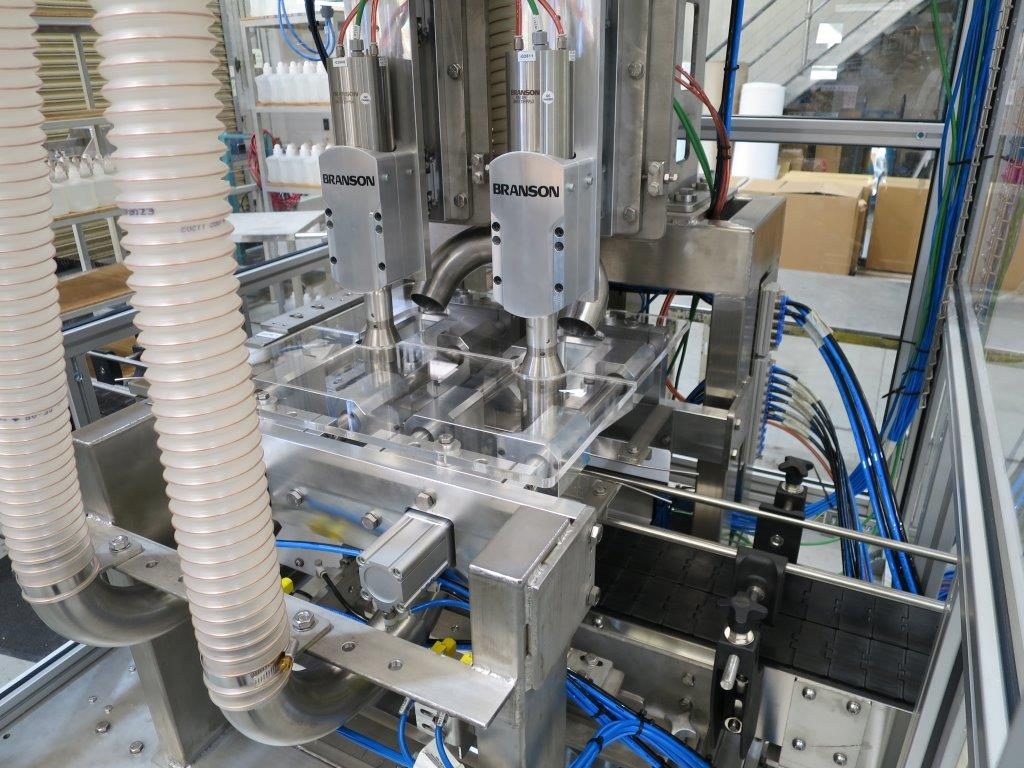
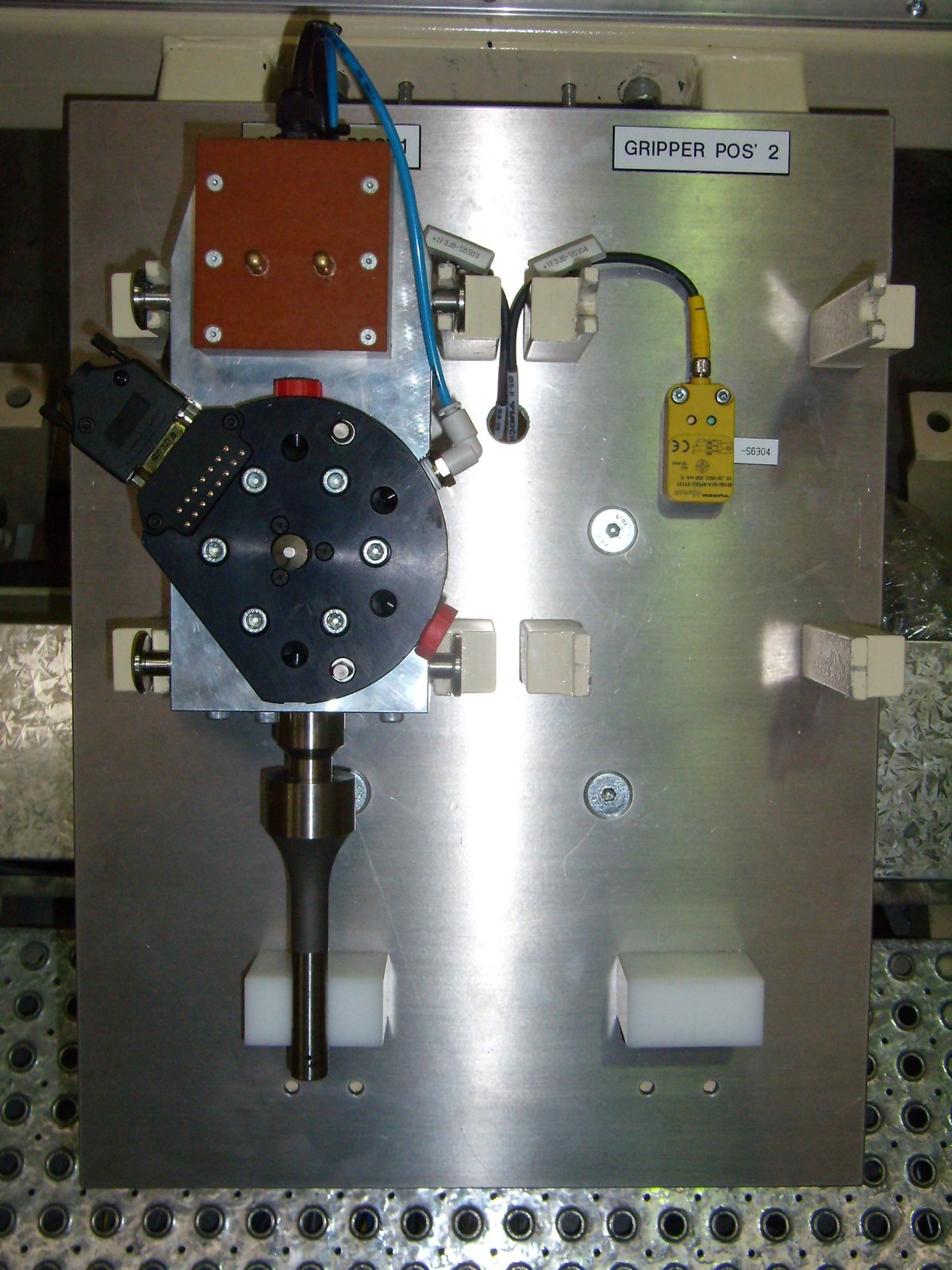
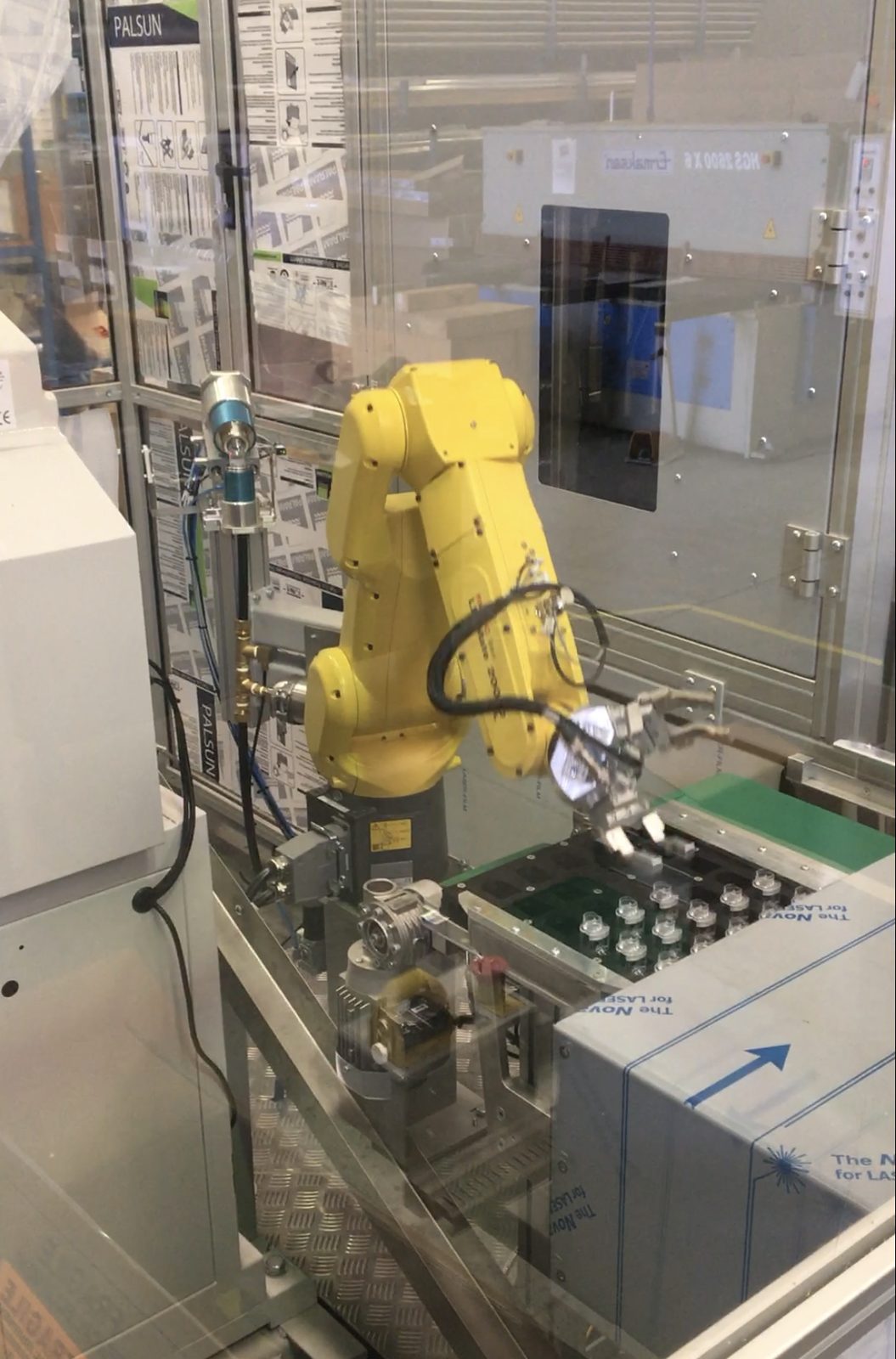
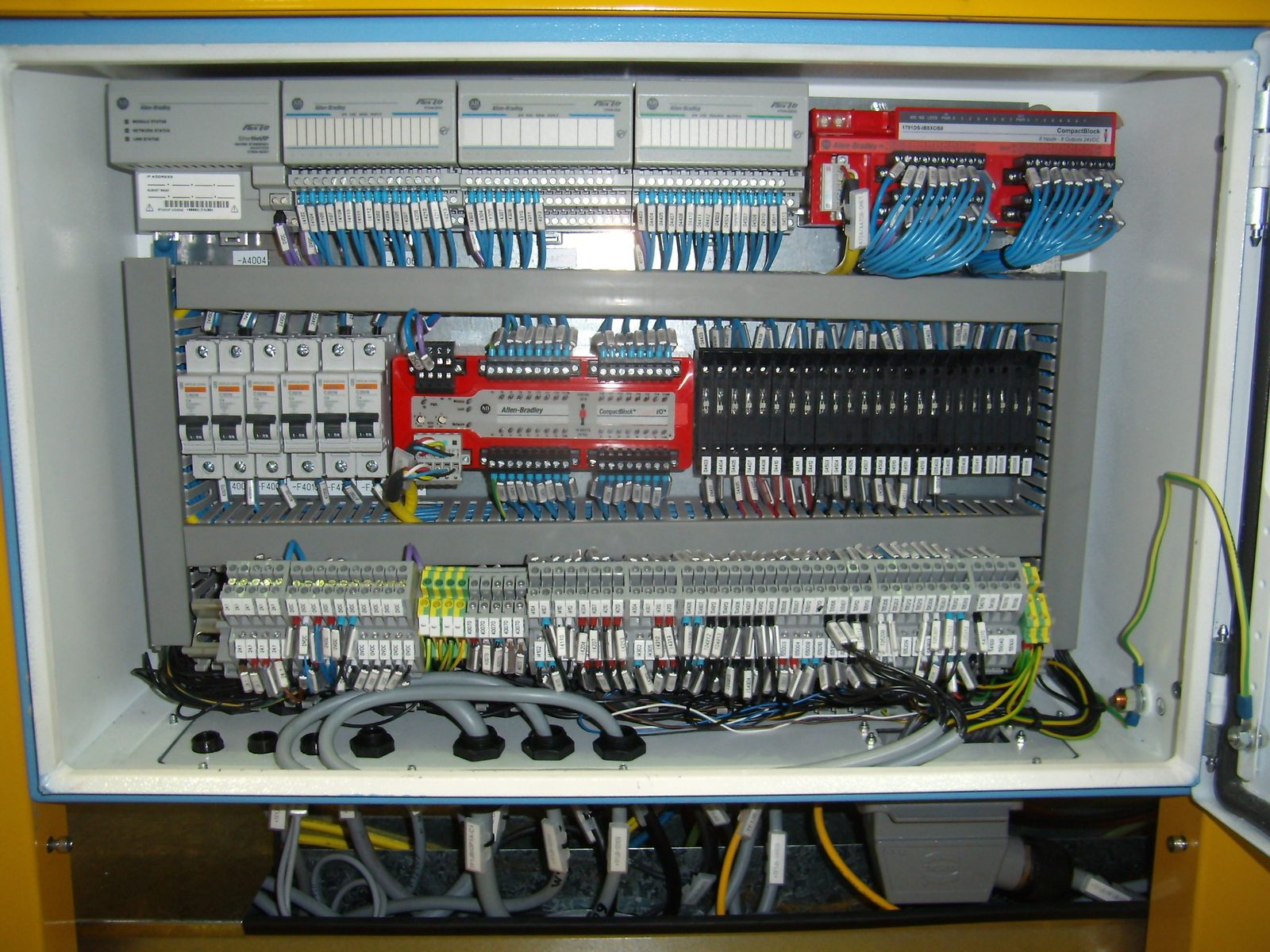
The controls and automation practice. Control system design, PLC programming, EPLAN schematics and scope documents for injection moulding, robotics and material handling. Twenty-eight years in, and still the trade underneath everything else.
NxsTech Performance
The coaching company, co-founded with Carla Vieira. She brings twenty years of teaching people to stick to a plan. I run the data side, the dashboard, and the decisions that come out of the numbers.
The athletes
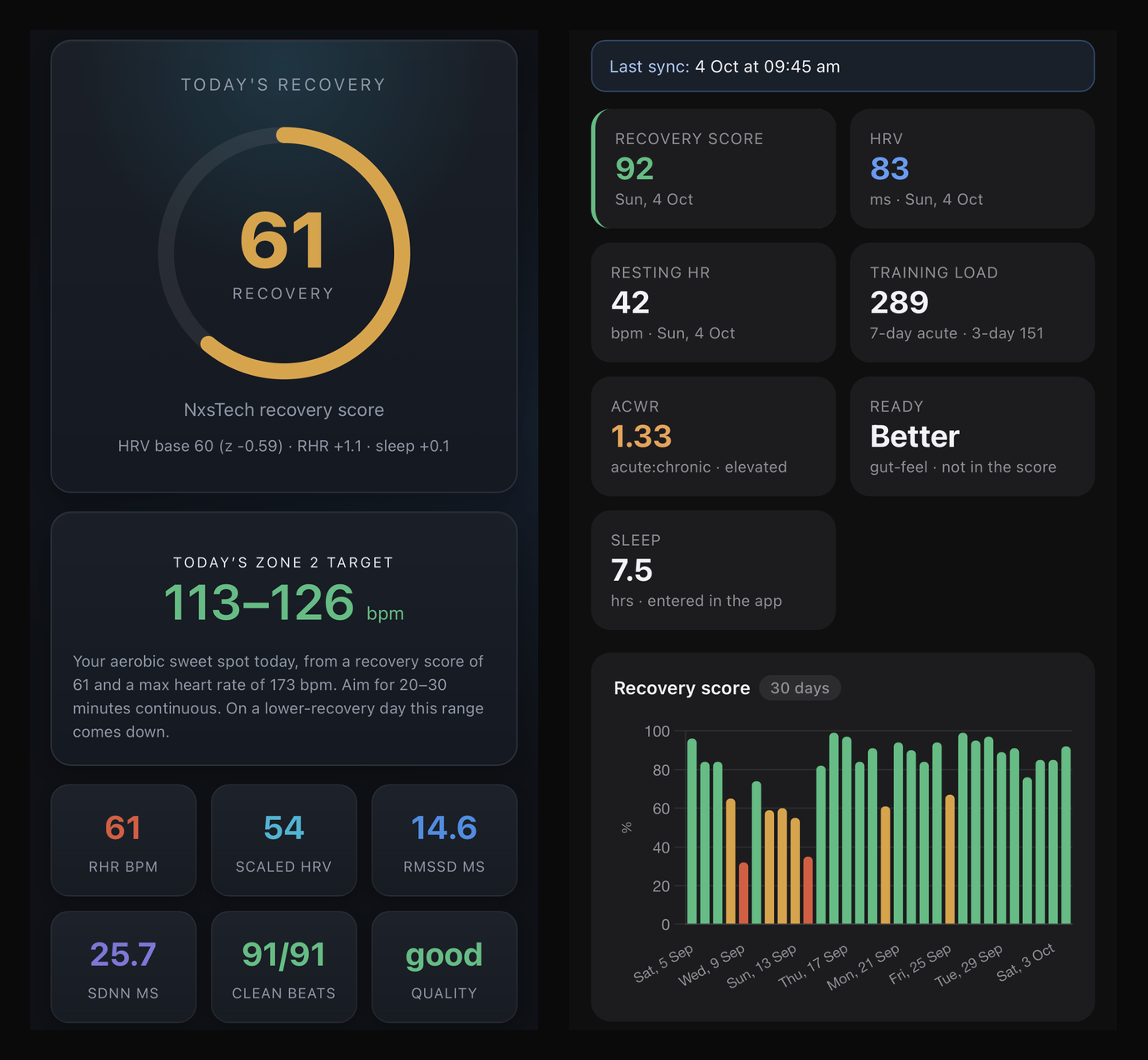
Real people with results on the board, not a testimonial page. A fighter's recovery between camps, a sixty year old's first ultramarathon. Their heart rate, sleep, load and weight land on my screen every morning.
The build, and my own training
The dashboard, the data pipeline and the iOS app were all written by me, at night. And I train six days a week, because none of this is credible coming from someone who does not.
I did it the long way because half of this did not exist. You do not have to. That is the only real difference between us, and it is the whole reason this page is here.
One person can now do what used to take a team
I write tooling that does the repetitive half of controls engineering: documents that generate themselves, machine controller toolkits, data pipelines, scheduled jobs that run self-hosted so nothing leaves the building. The same habit, on nights and weekends, built a whole coaching platform, a database and an app.
You do not need to be a software engineer for any of this. You need to be the bloke who refuses to do the same thing twice by hand. That is the entire entry requirement, and it is why this is the first thing I teach rather than the last.
Start with this →What I will actually teach you
Not prompt tricks, and not a tour of every app that launched this month. Six things that changed how much one person can finish in a week, in the order I would teach them.
One job, done properly
Pick the task you repeat every week and hand the whole thing over, start to finish. Not a conversation, a finished output you would have sent anyway. Most people never get this first win because they treat it as a chat instead of a job.
Make it run without you
The jump from asking a model things to wiring it into something that fetches, decides and writes while you are asleep. Scheduled, logged, and self-hosted where the data is sensitive, which for industrial clients is the only version they will accept.
Tooling, not prompting
A prompt is disposable. A script that produces the same document correctly every single time is an asset you keep. Mine generate controls documentation and they have paid for themselves many times over.
Ship something real
A database, a handful of functions, an app people actually log into. I built a client dashboard, a health data pipeline and an iOS app for my own coaching company. Closer than it sounds, and far less magic than it looks from outside.
Where it is genuinely bad
The loud, useless half, and how to spot it in ten minutes instead of three weeks. This is the part that saves you the most time, and nobody selling a course wants to teach it.
Getting paid for it
Once you can automate your own job you can automate somebody else's. What that work is worth, how to scope it so you are not on the hook forever, and why selling it as risk reduction lands better than selling it as AI.
Do you want to learn AI?
I built the whole thing as Run Mode, a self-paced course you work through in order: setup plus nineteen lessons in four parts. Setup and Part 01 are free and open now, and the rest follows soon. You do not need to be technical, you do not need to have written code before, and you do not need to bring a project.
Four lessons
How it works, what it costs, what not to paste into it, and how to brief it. This is the half that decides whether the rest of it sticks, and it is the half most people skip straight past.
Four lessons
Projects, handing over whole jobs, spreadsheets and decks, skills and connectors. The part where it stops being a clever chatbot and starts being something that finishes jobs while you are doing something else.
Eleven lessons
Agents and vibe coding, then you pick one of five projects and build it in a day. You leave with something that runs, not with a folder of notes about something you might get around to later.
Software is leverage. It is not the thing being levered
Automation multiplies what you already know how to do. If you know nothing yet, it multiplies nothing. Mine sits on top of a licensed trade and twenty-eight years on plant floors: injection moulding, robotics, material handling, panels, safety circuits.
Apprentice electrician in 1998, unrestricted registration ever since, university study after the trade rather than instead of it. If you want the same base, industrial work still pays people to learn it, and that door is open right now.
The engineering practice →
Training only counts when it keeps a score
A junior state golf title at seventeen. A NABBA state class win as a bodybuilder. Muay Thai now, in my fifties, which is a different kind of honest. Three sports, one lesson: pick something that produces a result and training stops being optional.
Stage-lean once means I know exactly what it costs, and how little of it is willpower. It is mostly a system you can hold on a normal week with a full-time job in it.
The coaching side →Their numbers land on my screen every morning
Two of ours. Both real, both still running, both with dates and distances you can check. This is what coaching off data looks like when it is not a before-and-after photo.

Krane Burke
Twenty-three, competing across MMA, Muay Thai and grappling. Trains twenty-two times a week and takes Sundays off. He came to us with coaches he trusts and a programme that works, so we are not replacing either of them.
What he actually asked for help with was recovery after a fight. Camps get programmed to a date and then stop, and almost nobody programmes the fortnight afterwards. That is the part we run: heart rate, sleep, load and weight, on one screen, every day.
First block started 31 August · his coaches run his fighting, we run the recovery
Simon Pearce
Came to us three weeks out from his first ultramarathon, with a cold to clear and a foot injury to work around. On 9 August 2026, at sixty, he finished 56 km of trail at Monarto. No blow-up, and his quickest running of the day came in the final hour.
He started the next block the morning after, and he is now pointed at a half marathon on 6 December, on the course where he set his half best last year.
He built fifteen years of aerobic base himself · we coach the blocksThe order of operations
Most blokes get the ingredients right and the sequence wrong. This is the order I would give you today, which is not the order I did it in, because the first two steps were not possible when I was starting. Step one is doable tonight.
Start tonight
Take the one task you do every week that you already resent, and hand the whole of it to a model until it comes back finished. Tonight, with the tools you already pay for. Everything else on this list is easier once you have done that once.
Make it run without you
Turn that one job into something scheduled that finishes on its own. This is the step where it stops being a party trick and starts being time you get back every week, permanently.
Get a skill they pay for
Leverage on nothing is still nothing. Get something real underneath it: a licensed trade, a controls ticket, a discipline someone audits. An apprenticeship pays you while it teaches you one, and university after the trade beats university instead of it.
Put a number on your training
Pick a sport with a result attached: a title, a time, a weight class, a fight. Training without a scoreboard turns into a hobby you skip. Consistency is a skill you practise, not a mood you wait for.
Own the thing
Contractor licence, entity, ABN, invoices going out under your own name. The gap between earning well and owning something is mostly paperwork nobody finds interesting, which is exactly why it stays open for anyone willing to do it.
Twenty-eight years of working it out the slow way, written down so you can start at step one this week instead of at seventeen.
Three ways in, two of them free
Honest state of play. The letter and the first part of Run Mode are open now. The AI Engineer, the course that picks up where Run Mode stops, opens when it is ready, and this list is where it gets announced.
The Stack
One letter a week: one thing I actually built, automated, trained or fixed, with the working shown.
Run Mode
The course. Setup plus nineteen lessons in four parts, taken in order, starting from nothing.
The AI Engineer
The course that picks up where Run Mode stops. It opens when it is ready and not before.
The Stack
One letter a week. One thing I actually built, automated, trained or fixed that week, with the working shown. Most weeks that is something I made a machine do for me, and you get the how, not the headline.
No motivation posting. No daily marketing. No launch sequence pretending to be a friendship.
You'll hear the day the full Run Mode course opens, plus the weekly letter.